VISIT SITE
All the latest wedding news for couples getting married in England and Wales, along with bridal fashion and beauty inspiration and honeymoon ideas.
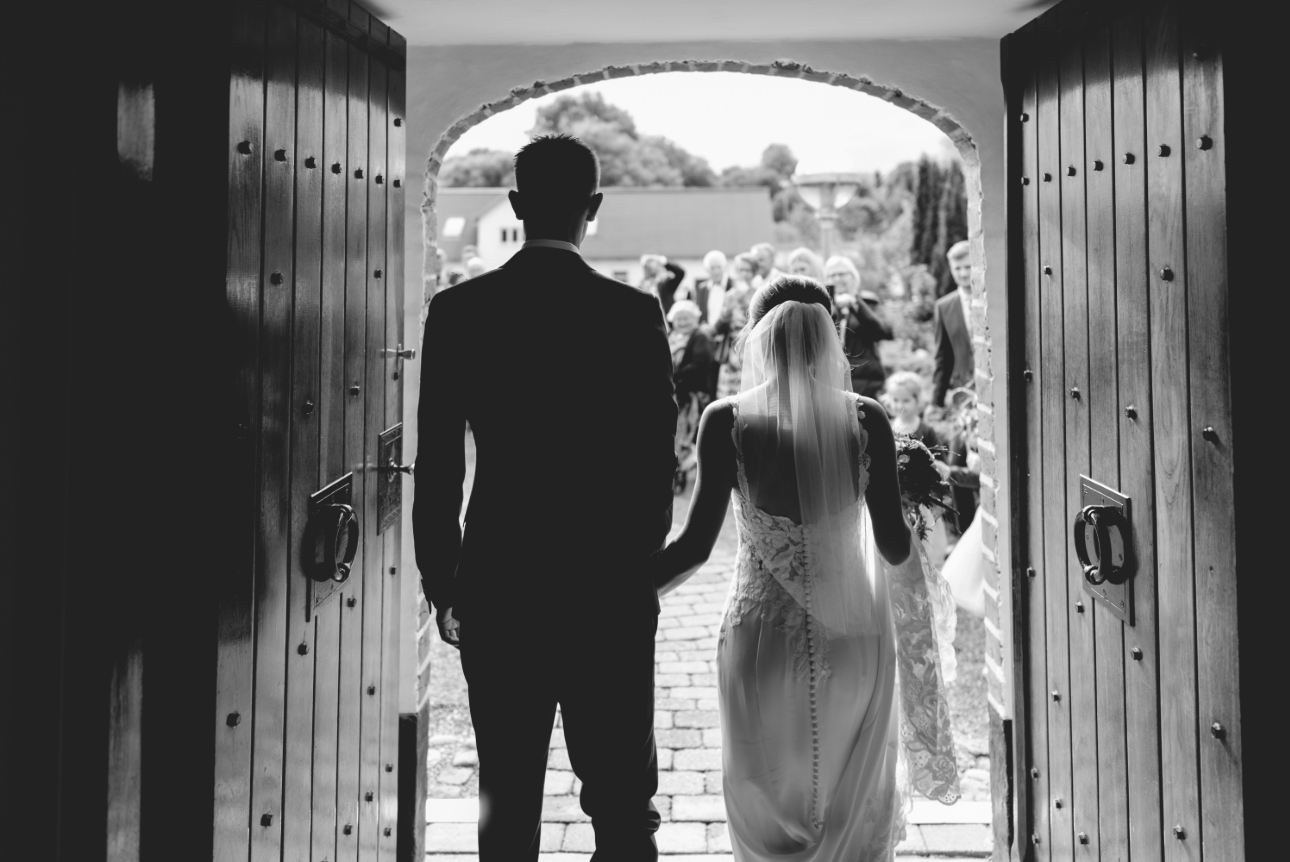
Planning a wedding in the UK comes with a surprising number of legal “gotchas” that couples often overlook. Following reports that Olivia Attwood and Stacey Solomon had elements of their weddings deemed non-legal, along with summer being peak wedding season, jewellers Queensmith are reminding couples of the most common legal pitfalls so they can enjoy their big day with peace of mind.
From giving notice at the register office to having the right witnesses in place, missing just one requirement could mean your dream wedding isn’t legally binding.
Giving Notice (more complicated than people expect)
While most couples know they must “give notice” before getting married, many are caught out by just how strict the rules are. Made in Chelsea star, Emily Blackwell, recently revealed on TikTok that she hadn’t realised notice was required and nearly had to postpone her wedding after struggling to secure a slot. Her post sparked a flurry of comments, with many followers admitting they had faced or feared facing the same predicament. This is a common mistake, especially for summer weddings, as register offices often get fully booked months in advance.
The rules are as follows:
You must give notice at your local register office (not where you’re marrying, unless you live there).
You need to have lived in that district for at least 7 full days before giving notice.
Notice is valid for 12 months only.
There’s a minimum 28-day waiting period before the wedding can happen (can extend to 70 days if immigration checks apply).
Both partners must give notice separately (even if you live together).
If you change venue after giving notice, you may need to start again and repay.
You must be sober enough to consent
It may sound obvious, but pre-wedding nerves can sometimes lead to the bride or groom having one too many drinks while getting ready. However, for a marriage to be legally bound, both parties must be capable of understanding and consenting. If someone is clearly intoxicated, the registrar can pause or cancel the wedding.
Drinking altogether is often prohibited before a wedding ceremony on church property, and in some cases, it is considered a violation of church policy or canon law that can result in the wedding being cancelled. Make sure to check with your venue first before popping the pre-wedding prosecco.
Legal Words Must Be Said
If you’re planning a highly personalised ceremony including writing your own vows, you must ensure that you include the statutory legal declarations and contracting words during the ceremony.
Even if you write your own vows or have a fully personalised ceremony, your marriage won’t be legally binding unless the statutory declarations are included. In England and Wales, the law requires that both parties declare their intent to marry each other in the presence of the registrar (or minister if it’s a religious wedding).
These are the formal words confirming that both partners are free to marry and consent to the marriage. Don’t worry, your registrar or officiant will guide you through them, but it’s important to follow the process, because skipping this step could mean your marriage isn’t recognised by law.
If you plan on writing your own vows, you must say the legal, mandatory words first. You can then add personalised vows afterwards. You must also seek approval to use your own wording and must submit a script to the registrar before the ceremony. In some cases, where words are missed out in the statutory legal declarations and contracting words, the registrar or officiant has the right to stop the ceremony and ask you to repeat them correctly.
Correct Identification & Documents
When giving notice, you must bring the correct ID and documents to your local register office. This includes a valid passport or birth certificate (plus supporting ID) and proof of address (recent utility bill, bank statement, etc.). If previously married you’ll need to bring a decree absolute or death certificate.
It’s also important to note that if your name differs across documents, you’ll need proof of name change. Even small discrepancies (like spelling differences) can delay things.
Two Witnesses (with rules!)
You need at least two witnesses, but there are also rules for these witnesses. The rules are that they must understand what’s happening (so not very young children), they must be able to speak and understand English (or the ceremony language) and one that could catch people out is that they must be physically present for the entire ceremony.
Couples sometimes assume anyone can sign however registrars can refuse unsuitable witnesses.
Timing Matters
This should be stated when you visit venues but a lot of people don’t actually realise that for a marriage to be legally binding, the ceremony must happen between 8am and 6pm. Your ceremony is booked for a specific time slot, you therefore must also arrive on time for your wedding as some registrars may cancel if you are later than what is reasonably expected. This can happen more often than people think with summer traffic, late suppliers, etc.
Signing the Marriage Schedule
In England & Wales, you now sign a marriage schedule instead of a register and this must be signed immediately after the ceremony. Forgetting or delaying this can cause legal complications.
Immigration & Nationality Rules
If one partner is not a UK/Irish citizen, special rules apply for example, you may need to give notice at a designated register office, your notice period may be extended to 70 days and you might need a visa specifically for marriage. This is one of the biggest causes of last-minute legal issues.
Correct names must be used
For your marriage to be legally bound, you must marry under your legal name as given in your notice. Nicknames or last-minute name changes can cause issues. If details don’t match your notice, the registrar may delay or stop the ceremony completely.
Laura Suttie, senior jeweller and wedding expert at Queensmith added: “With so much focus on the aesthetics of a wedding, from the dress to the venue, it’s easy for couples to overlook the legal side of things. But these requirements are what make a marriage official, and missing even one step can have serious consequences. The key is to plan ahead, double-check the details, and make sure everything is in place well before the big day, so couples can relax and enjoy the moment knowing their marriage is legally secure.”