HONEYMOON WEDDING NEWS

From County Weddings

All the latest wedding news for couples getting married in England and Wales, along with bridal fashion and beauty inspiration and honeymoon ideas.

Average cost of a honeymoon reaches £4,550 per couple

man and woman walking on the beach at sunset

Average cost of a honeymoon reaches £4,550 per couple, while popularity of minimoons rise
 

With wedding season well underway, new research by insurer Aviva shows that newlyweds could expect to spend £4,550 on a honeymoon on average. Those who opt for a minimoon - a shorter escape usually straight after the wedding - can expect to spend £3,438 on average. Around three million Brits - 6% of those surveyed - are planning both an overseas minimoon and honeymoon. For these newlyweds, the cost could amount to £8,861 on average per couple. The research indicates that couples who are yet to travel expect to spend 8% more on honeymoons abroad and 16% more on minimoons abroad than previous honeymooners. Despite spending substantial sums, the data also shows that around one in seven of those who have been on their honeymoon or minimoon wish they had spent more (15% and 16% respectively).
 
Holiday TypeThose who have been on this type of holiday abroadThose who are planning to go on this type of holiday abroadPercentage increase when compared to those who have already been on their honeymoon
Honeymoon
£4,218 (£2,109 per perosn)

£4,550 (£2,275 per person)
+8%
Minimoon
£2,966 (£1,483 per perosn)

£3,438 (£1,719 per perosn)
+16%

One in 20 (5%) planning an overseas honeymoon expect to spend between £7,001-£10,000, with 3% planning to spend more than £10,000 per person.

When looking at the honeymoon hotspots, Greece and Italy are joint favourites for the most popular destinations for future honeymooners, with France and The United States also proving popular. While the top 10 destinations show only slight variations amongst past and future honeymooners alike, the data indicates a growing interest in India as a honeymoon hotspot and some couples are opting for more far-flung destinations including Japan, Sri Lanka, Zimbabwe and Brazil.

 The data also reveals that those taking a minimoon are also prepared to go the distance - despite usually being a shorter, and typically more affordable, trip - with Canada, Thailand and Vietnam being popular destinations.

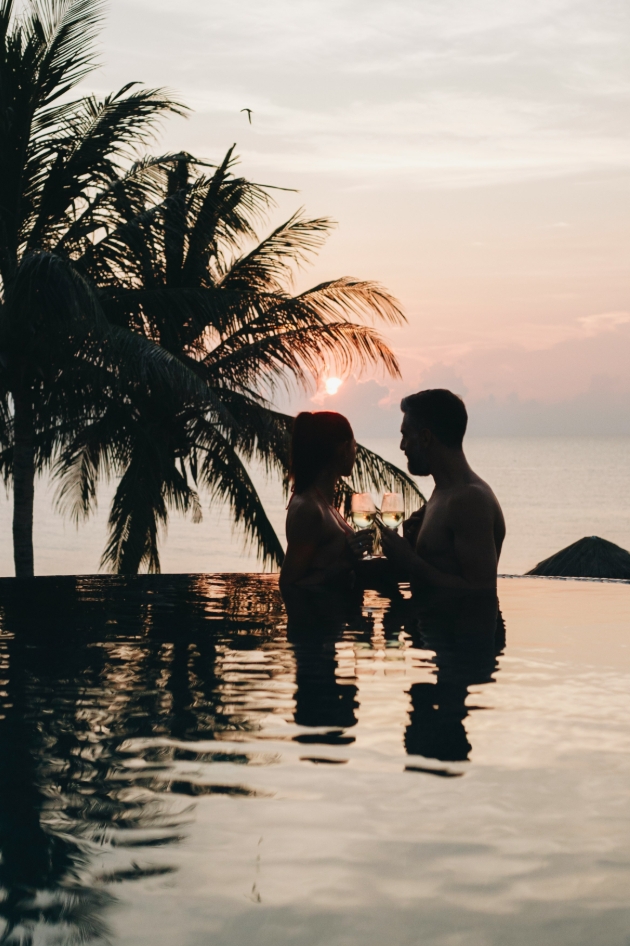
man and woman in a pool at sunset

The top 10 destinations for honeymooners past and future include:
 

Rank by popularityThose who have been on a honeymoon abroadThose who are planning to go on a honeymoon abroad

1

Spain

Greece/ Italy
2FranceFrance
3The United StatesThe United States
4ItalySpain
5Greece Canada
6CanadaMexico
7TurkeyPortugal
8MexicoThailand
9PortugalTurkey
10ThailandIndia

The top 10 destinations for minimooners past and future include:
 
Rank by popularityThose who have been on a minimoon abroadThose who are planning to go on a minimoon abroad

1

Spain

Canada/ Greece/ Italy
2FranceSpain
3MexicoFrance
4Italy/ The United StatesPortigal
5CanadaThe United States
6GreeceMexico
7PortugalThailand
8IndiaIndia
9TurkeyTurkey
10ThailandVietnam

The data also shows that 10% plan to travel overseas for their own wedding at an estimated planned spend of £5,224 per couple (£2,612 per person) on average, with popular destinations including Canada, Greece and The United States. In fact, a handful of these couples (7%) plan to spend more than £10,000 on their overseas wedding. Despite these costs, additional research from Aviva shows that 11% of travellers planning a trip this year do not plan to take out travel insurance.

James Devereux, travel insurance manager at Aviva, says: “Honeymoons are very special and for some, it’s an opportunity to go ‘all out’ on the destinations, accommodation and itineraries – which could in part explain the substantial price tag. With couples spending £4,500 on average, it’s worrying to see that more than one in ten (11%) planning a holiday this year do not intend to take out travel insurance.

“It’s really important to take out insurance when you book your holiday, so that you are protected from the get-go. While no-one wants the worst to happen, especially on a honeymoon, travel insurance can help provide peace of mind, knowing that you and your belongings are protected should the worst unfortunately happen.

“It’s also worth checking whether your policy covers you for the activities you have lined up – some, for example, won’t cover things like scuba diving which can usually be added on for a fee. If ever in doubt, contact your insurer directly.”

Aviva's top tips for newlyweds include:

Take out travel insurance - As soon as you book your honeymoon, take out travel insurance. It may be helpful to get a quote before you book to make sure you can get the right cover for your trip. This ensures you're protected both in the lead up to your trip and while you're away. For instance, if you were to fall ill or be injured and needed to cancel your trip, your insurance could help recover non-refundable costs like flights and accommodation.

Declare pre-existing medical conditions - It's essential to inform your insurer about any existing or ongoing medical conditions, whether they apply to you or anyone else covered by the policy. Some insurers also require updates if your health changes between purchasing the policy and your departure date. Since requirements vary between providers, it's always best to check directly with your insurer if you're unsure.

Think carefully about activities you have planned - Think about the activities you plan to enjoy on your honeymoon. Check your policy to see what's included, as many standard policies don't cover higher-risk activities like scuba diving, paragliding, or winter sports. The good news is that you can often add extra coverage for these activities for an additional fee.

Seek travel health advice - Our research shows that some honeymooners are heading to more exotic locations such as Thailand and India and so it's worth seeking travel health advice before travelling. In some cases, certain vaccinations or medication – such as malaria tablets - are recommended and if you fall ill and haven't had the appropriate medication, you may not be covered.